Latest news
Stay up to date on the latest activities and publications from hera
Archive
- 2023
- 2024
- 2025
- Aarti Patel
- Accountability
- Afghanistan
- Africa
- Alejandra Martinez
- Algeria
- Alice Behrendt
- Alice Peschiutta
- Angola
- Anne Buve
- Argentina
- Asia Pacific
- Assessment
- Bangladesh
- Basic Health Services / Primary health care
- Behaviour Change Communication
- Belize
- Benin (Dahomey)
- Botswana
- Burkina Faso
- Cabo Verde
- Calvin Tonga
- Cambodia
- Caribbean
- Central Asia
- Chad
- Child Protection
- Children
- Chile
- Cholera
- Climate change
- Colombia
- Communicable diseases (CD)
- Community Engagement
- Community Health Workers
- Comoros
- Costing studies
- Country Capacity
- Covid-19
- Crisis Management
- Côte d'Ivoire
- DRC
- Demand side financing
- Development
- Development Cooperation
- Dia Timmermans
- Dijbouti
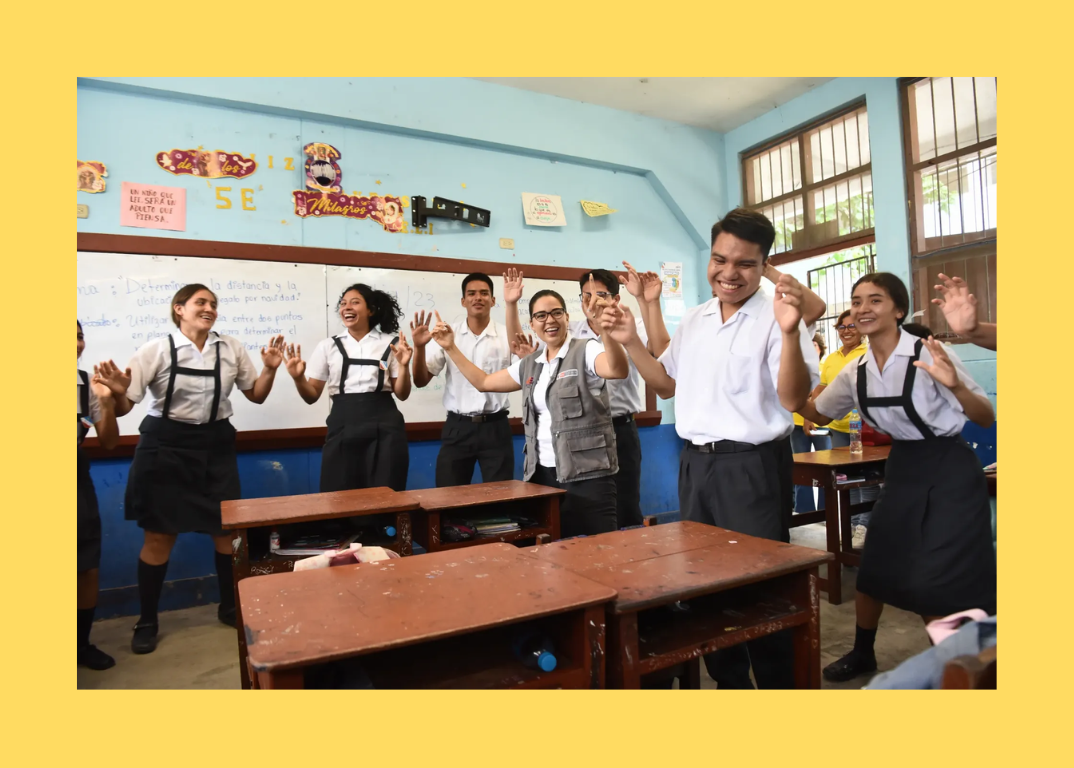
Understanding factors shaping adolescent nutrition and mental health in Latin America: a new UNICEF study
hera recently contributed to a regional qualitative study led by UNICEF LACRO examining how obesogenic and sociocultural environments influence body image, mental health, nutrition, and physical activity among adolescents in Latin America and the Caribbean. Conducted in Peru and El Salvador, the study offers new insights into the behavioural drivers and lived experiences of young people—an increasingly important focus area for global health research.
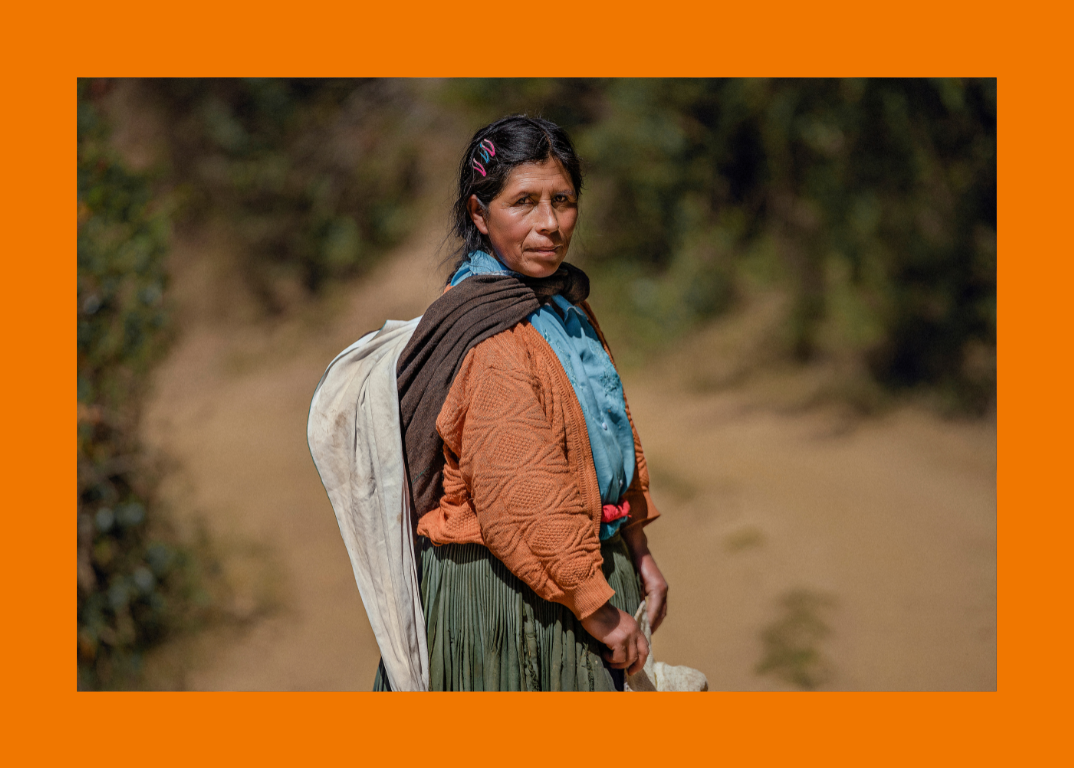
Strengthening safe passage for migrants by improving access to Sexual and Reproductive Health and Sexual and Gender Based Violence services in emergencies
Migration across South and Central America continues to pose significant challenges for migrants, particularly women, girls, and LGBTIQ+ individuals. These groups face heightened risks of sexual and gender-based violence (SGBV) and barriers to accessing essential Sexual and Reproductive Health (SRH) services. Recognising these urgent and evolving needs, hera partnered with IPPF under the Safe Passage Programme to design a new initiative by launching a strategic Call for Proposals through this comprehensive consultancy, laying a strong foundation for future interventions.

Switching the Poles
Assessment of a Belgian government-funded program run by the Institute of Tropical Medicine (ITM), which aims to build research and healthcare capacity in developing countries. Evaluators reviewed 24 projects and 10 thematic networks across 18 countries and came forward with findings that will inform future collaborations to improve global health.