Latest news
Stay up to date on the latest activities and publications from hera
Archive
- 2023
- 2024
- 2025
- Aarti Patel
- Accountability
- Afghanistan
- Africa
- Alejandra Martinez
- Algeria
- Alice Behrendt
- Alice Peschiutta
- Angola
- Anne Buve
- Argentina
- Asia Pacific
- Assessment
- Bangladesh
- Basic Health Services / Primary health care
- Behaviour Change Communication
- Belize
- Benin (Dahomey)
- Botswana
- Burkina Faso
- Cabo Verde
- Calvin Tonga
- Cambodia
- Caribbean
- Central Asia
- Chad
- Child Protection
- Children
- Chile
- Cholera
- Climate change
- Colombia
- Communicable diseases (CD)
- Community Engagement
- Community Health Workers
- Comoros
- Costing studies
- Country Capacity
- Covid-19
- Crisis Management
- Côte d'Ivoire
- DRC
- Demand side financing
- Development
- Development Cooperation
- Dia Timmermans
- Dijbouti
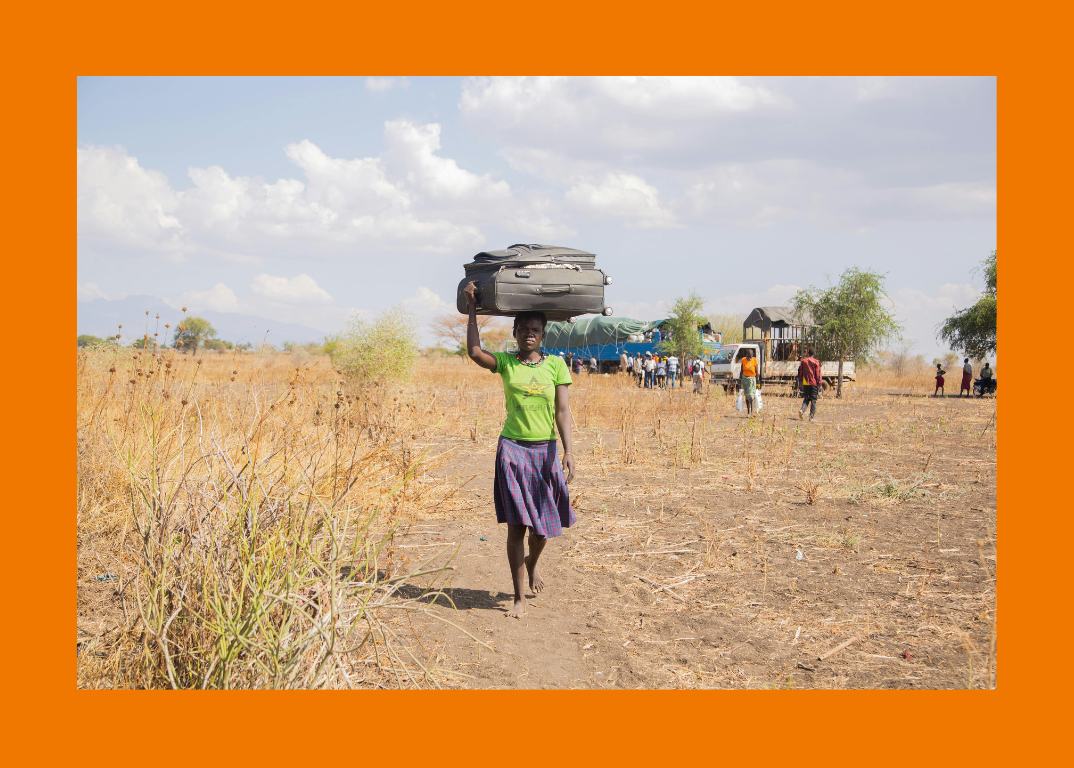
Reducing financial hardship from healthcare spending in low- and middle-income countries: a rapid evidence assessment
Households across low- and middle-income countries (LMICs) continue to face significant financial hardship as a result of healthcare costs. Out-of-pocket payments can push families into poverty, deepen existing inequalities, and force people to delay or forego care altogether. Understanding which policies and interventions effectively protect households from these financial risks is critical for strengthening health systems and advancing universal health coverage. To tackle this challenge, hera recently completed a rapid evidence assessment (REA) for the UK’s Foreign, Commonwealth and Development Office (FCDO).
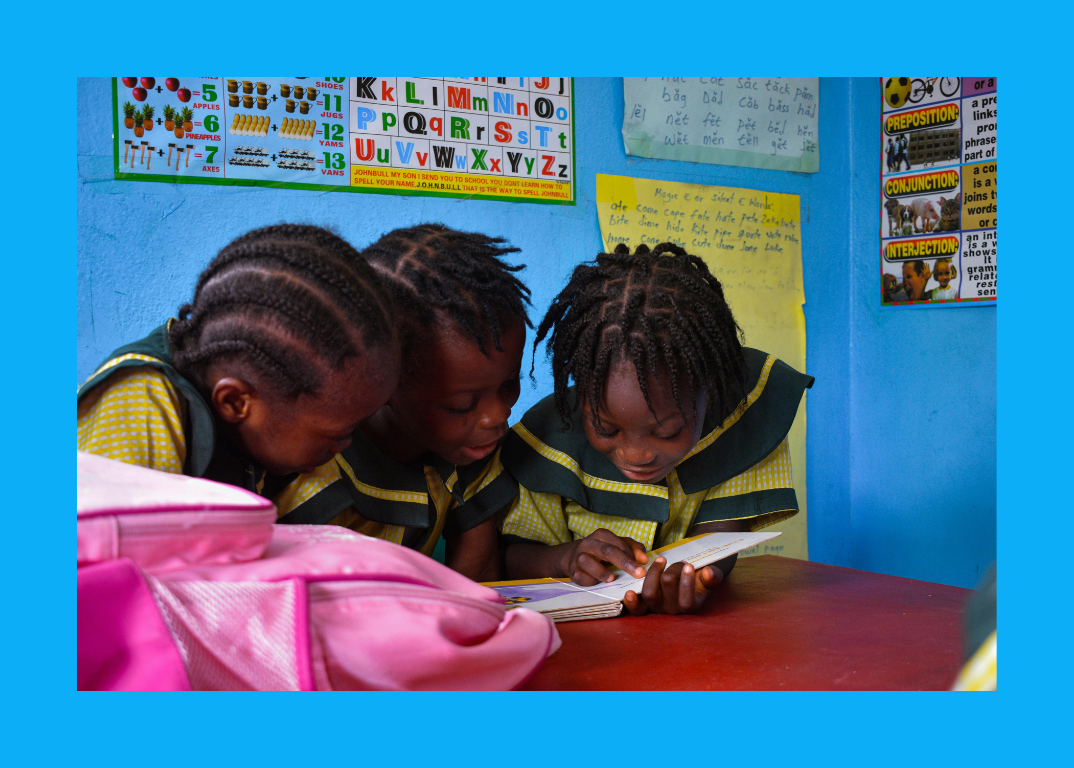
Evaluating UNICEF’s work in primary health care: lessons for the future
In 2024, hera partnered with UNICEF and Euro Health Group (EHG) to conduct a global evaluation of its work in strengthening Primary Health Care (PHC). Primary Health Care is central to building equitable, resilient, and people-centred health systems, and remains central to global efforts to achieve universal health coverage and the SDG 3 targets.
In recognition of this, UNICEF commissioned a global thematic evaluation to assess its support to PHC across countries and regions, and to generate evidence that would inform future strategic, policy, and programme decisions. hera was contracted to carry out this evaluation, which covered UNICEF’s PHC-related work between 2018 and 2023.
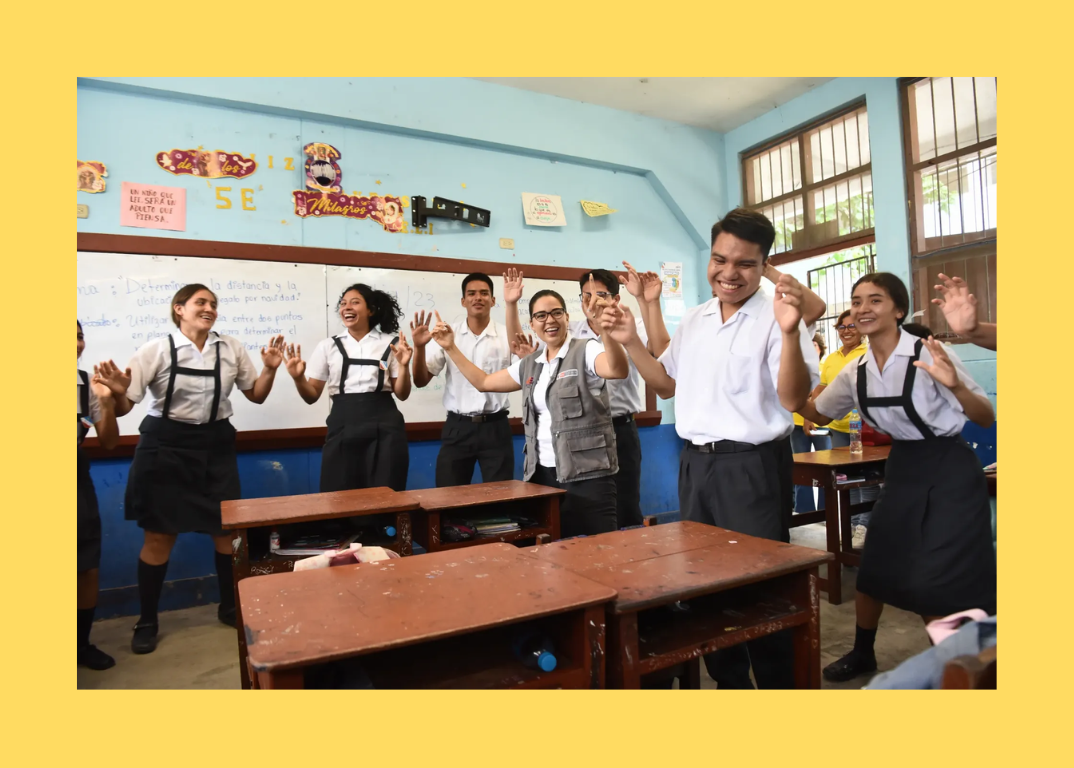
Understanding factors shaping adolescent nutrition and mental health in Latin America: a new UNICEF study
hera recently contributed to a regional qualitative study led by UNICEF LACRO examining how obesogenic and sociocultural environments influence body image, mental health, nutrition, and physical activity among adolescents in Latin America and the Caribbean. Conducted in Peru and El Salvador, the study offers new insights into the behavioural drivers and lived experiences of young people—an increasingly important focus area for global health research.
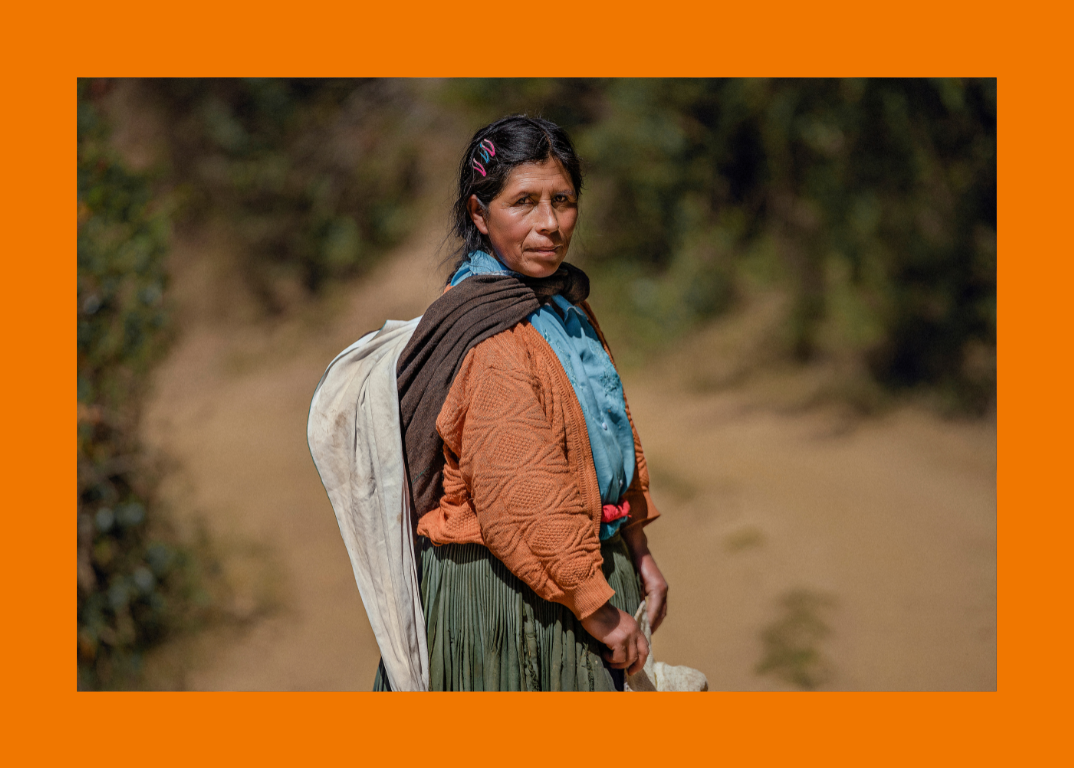
Strengthening safe passage for migrants by improving access to Sexual and Reproductive Health and Sexual and Gender Based Violence services in emergencies
Migration across South and Central America continues to pose significant challenges for migrants, particularly women, girls, and LGBTIQ+ individuals. These groups face heightened risks of sexual and gender-based violence (SGBV) and barriers to accessing essential Sexual and Reproductive Health (SRH) services. Recognising these urgent and evolving needs, hera partnered with IPPF under the Safe Passage Programme to design a new initiative by launching a strategic Call for Proposals through this comprehensive consultancy, laying a strong foundation for future interventions.

Shifting perceptions on safe abortion in Liberia
Unsafe abortion remains a major public health challenge in Liberia, contributing significantly to maternal mortality and undermining women’s rights and health. To better understand the social attitudes, knowledge, and norms shaping access to safe abortion and family planning, the Informal Working Group for Reproductive Health and Rights (IWG) commissioned a national research study: the Perception Survey on Social Norms on Access to Safe Abortion. Implemented by hera and NCG, the project aimed to fill critical evidence gaps and strengthen advocacy and policy reform efforts in the country.
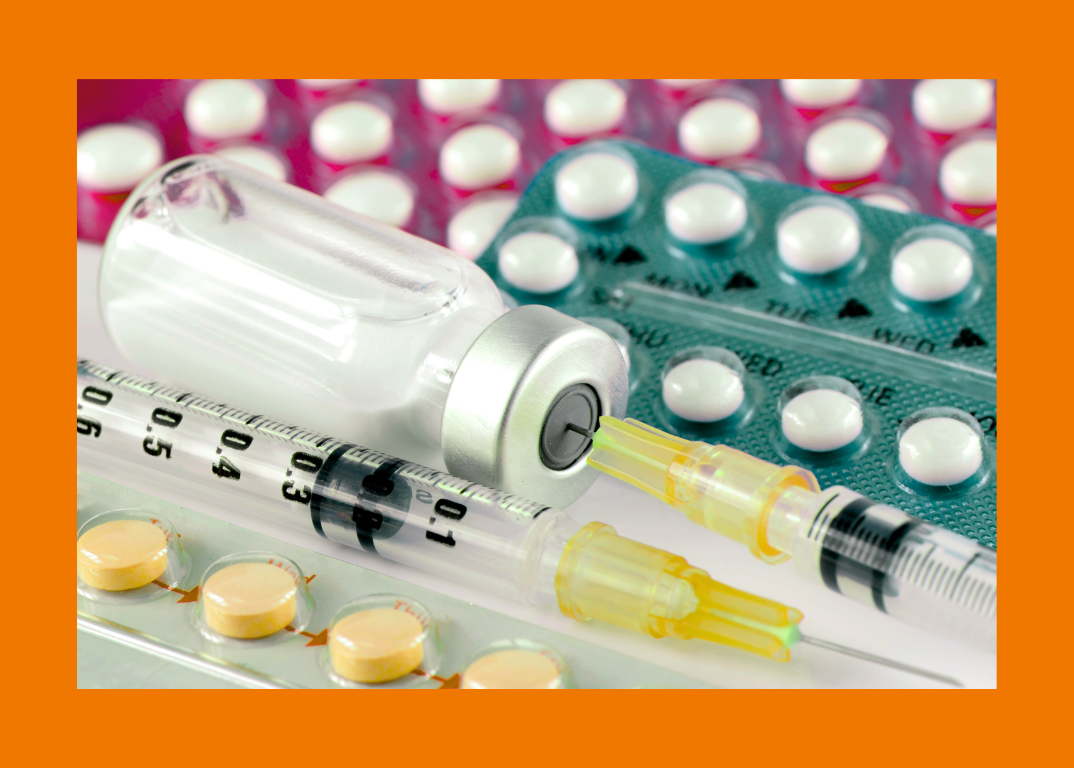
Strengthening access to reproductive health commodities: hera’s evaluation of the Best Practices Grant
From 2020 to 2025, the Clinton Health Access Initiative (CHAI), with funding from the UK’s Foreign, Commonwealth & Development Office (FCDO), led a programme entitled “Establishing Best Practices for Government-Led Product Introductions” (referred to as the Best Practices Grant)—an ambitious £40 million initiative aimed at improving access to Reproductive Health (RH) commodities across several low- and middle-income countries.
hera was contracted by CHAI to conduct the final external evaluation of the BPG, with a mandate to capture lessons, assess results, and generate insights to inform both the FCDO’s final Programme Completion Review and future investments in RH market shaping.

Pioneering health sector reform: Rwanda's National Pharmacy Policy (2024-2029)
In a milestone achievement for global health policy, Rwanda has successfully launched its National Pharmacy Policy (2024-2029), marking a transformative step toward strengthening pharmaceutical governance and aligning with the country’s ambitious Vision 2050 goals. This comprehensive policy, developed by hera through a participatory and evidence-based process, not only addresses systemic gaps in the pharmaceutical sector but also positions Rwanda as a regional leader in innovative and inclusive health reforms.